Cheapest State to Buy a Car in 2026: The Complete Guide
Buying a car isn’t just about picking the right make and model — where you buy it can change the final price by thousands of dollars. Sales tax, registration fees, and dealer markups vary so much from state to state that two identical vehicles can carry two very different price tags depending on which state’s dealership lot they’re sitting on. That’s why finding the cheapest state to buy a car has become a real money-saving strategy, not just a curiosity.
That’s exactly why more car buyers are looking beyond their own zip code. With online listings, it’s easier than ever to compare prices nationwide, and a growing number of shoppers are choosing to purchase from a lower-cost state and have the vehicle shipped home rather than settling for whatever their local dealership is charging.
In this guide, we’ll break down exactly what makes a state cheap to buy a car in, reveal the cheapest state to buy a car based on current tax and fee data, which states to avoid, and how to get your new vehicle home once you’ve found the right deal.
Why Car Prices Vary So Much From State to State
The sticker price on a car is only part of the story. What you actually pay depends on a combination of factors that differ significantly by state:
- Sales tax — ranges from 0% in a handful of states to over 8% in others
- Registration and title fees — some states charge a flat rate, others calculate fees based on your vehicle’s weight, value, or model year
- Dealer documentation (“doc”) fees — largely unregulated in many states, meaning dealers can charge wildly different amounts for the same paperwork
- Local market competition — states with more dealerships competing for the same buyers tend to have more aggressive pricing
- Vehicle-specific demand — a compact SUV might be pricier in a region where it’s in high demand, while an EV might be cheaper in a state offering strong incentives
None of these factors alone tells the whole story. The real answer to “which state is cheapest” comes from looking at all of them together, not just the sales tax rate in isolation.
What Actually Makes a State “Cheap” to Buy a Car In
Before jumping into a ranked list, it helps to understand the specific line items that add up to your final price:
- Start with the sales tax rate. This is usually the single biggest cost difference between states, since it applies as a percentage of the full purchase price.
- Check the registration and title fee structure. Some states keep this simple and low; others scale it based on your vehicle’s weight or age, which can catch buyers off guard.
- Look at the dealer doc fee cap — or lack of one. In states without a cap, doc fees can add hundreds, sometimes over a thousand dollars, to your final bill.
- Factor in your home state’s rules too. If you’re buying out of state, your own state’s registration and use-tax rules will usually apply once the car comes home.
- Get a real shipping quote before you commit. A great deal on paper can shrink once you factor in the cost of getting the vehicle to your driveway.
The Cheapest State to Buy a Car in 2026 (And Others Worth Considering)
Based on current sales tax structures, fee data, and market conditions, here are the states that consistently come out ahead for buyers looking to save money.
1. Oregon — Best Overall for No Sales Tax
Oregon has no statewide sales tax at all. Compare that to a high-tax state like California, and the savings on a mid-range vehicle can easily exceed $2,000 on sales tax alone. Registration fees in Oregon are also relatively modest, which keeps the total cost of ownership low even after you factor in shipping the vehicle out of state.
2. New Hampshire — Best for Northeast Buyers
Like Oregon, New Hampshire charges no sales tax on vehicle purchases. Its location also makes it a convenient stop for buyers in Massachusetts, Maine, or Vermont who want to pick up a vehicle regionally rather than shipping it a long distance.
3. Oklahoma — Best for Low Dealer Markups
Oklahoma consistently ranks near the top for buyers focused purely on upfront sticker price, thanks to lower average dealer markups and a competitive local market. If your priority is the lowest possible negotiated price rather than tax savings specifically, Oklahoma is worth close comparison.
4. Delaware — Best for Simple, Predictable Fees
Delaware has no sales tax and a straightforward documentation fee structure, making it easier to calculate your true out-the-door price without surprise line items. The tradeoff is a somewhat smaller inventory selection compared to larger states.
5. Montana — Best for Long-Term Ownership Costs
Montana has no statewide sales tax and generally low long-term ownership costs. Keep in mind that Montana has specific residency-related rules that can affect out-of-state buyers, so it’s worth confirming the current requirements before assuming you qualify for the full benefit.
6. Alaska — Best for Residents, With a Caveat
Alaska has no statewide sales tax, though some municipalities apply their own local tax. Vehicle selection tends to be more limited due to the state’s size and location, which can offset some of the tax savings if you have to compromise on the exact trim or features you want.
7. North Carolina — Best for a Predictable, Capped Tax Rate
Instead of a traditional sales tax, North Carolina applies a Highway Use Tax that is capped at a flat rate. That cap makes your total cost easier to predict upfront compared to states with open-ended percentage-based taxes.
8. Iowa — Best Balance of Fees and Selection
Iowa applies a modest use tax on new vehicles but offers a broader inventory selection than some of the smaller no-tax states, making it a solid middle-ground option if selection matters as much as price to you.
Quick Comparison: Cheapest States to Buy a Car
| State | Sales Tax | Notable Fee Structure | Best For |
| Oregon | None | Low registration fees | Overall best tax savings |
| New Hampshire | None | Low annual permit fee | Northeast regional buyers |
| Oklahoma | Standard | Lower dealer markups | Best negotiated sticker price |
| Delaware | None | Simple, predictable doc fee | Straightforward budgeting |
| Montana | None | Residency rules apply | Long-term ownership savings |
| Alaska | None (local may apply) | Limited inventory | Alaska residents |
| North Carolina | Capped Highway Use Tax | Predictable flat structure | Predictable total cost |
| Iowa | Modest use tax | Balanced fees & inventory | Selection + fair pricing |
States Where Buying a Car Tends to Cost More
Just as some states consistently offer savings, others tend to work against buyers on price. States like California, Nevada, and Kansas generally carry higher sales tax rates and above-average registration costs. New York is often cited for aggressive dealer fee practices on top of high taxes. Some states without a sales tax cap on dealer documentation fees can also see those fees climb well above the national average, so it’s worth checking current dealer fee practices directly rather than assuming a state is automatically cheap just because its tax rate is low — total cost depends on the full fee picture, not one line item.
Can You Avoid Sales Tax by Buying a Car in Another State?
Not entirely, and this is one of the most common misconceptions in out-of-state car buying. In most cases, you’ll still owe your home state’s sales or use tax when you register the vehicle there, regardless of where you bought it. Many states have reciprocity agreements with each other specifically to prevent buyers from being taxed twice — once in the state of purchase and again at home — so it’s worth checking whether your home state and the seller’s state have such an agreement in place before assuming you’ve found a full tax loophole.
Is It Legal to Buy a Car From Another State?
Yes, buying a vehicle from a different state is completely legal. The main complications tend to show up around state-specific requirements — things like emissions testing, window tint limits, or inspection rules that differ from where you purchased the car. These are usually solvable with the right paperwork, but it’s worth checking your home state’s requirements before you finalize a purchase in a state with different regulations.
Does Buying Out of State Affect Your Warranty?
No. A manufacturer’s factory warranty applies nationwide regardless of which state you purchased the vehicle in, and the same is generally true for Certified Pre-Owned (CPO) warranties. It’s still worth confirming directly with the dealer, but this shouldn’t be a barrier to buying out of state if you’ve found a better deal elsewhere.
Getting Your New Car Home Without the Stress
Once you’ve found the right car at the right price in another state, the last step is getting it home — and this is where a lot of buyers either overpay or add unnecessary stress to what should be a straightforward process.
For short distances, some buyers choose to fly out and drive the vehicle back themselves. That works fine for a state or two away, but it eats up time, adds mileage and wear to a brand-new purchase, and isn’t realistic for longer cross-country moves.
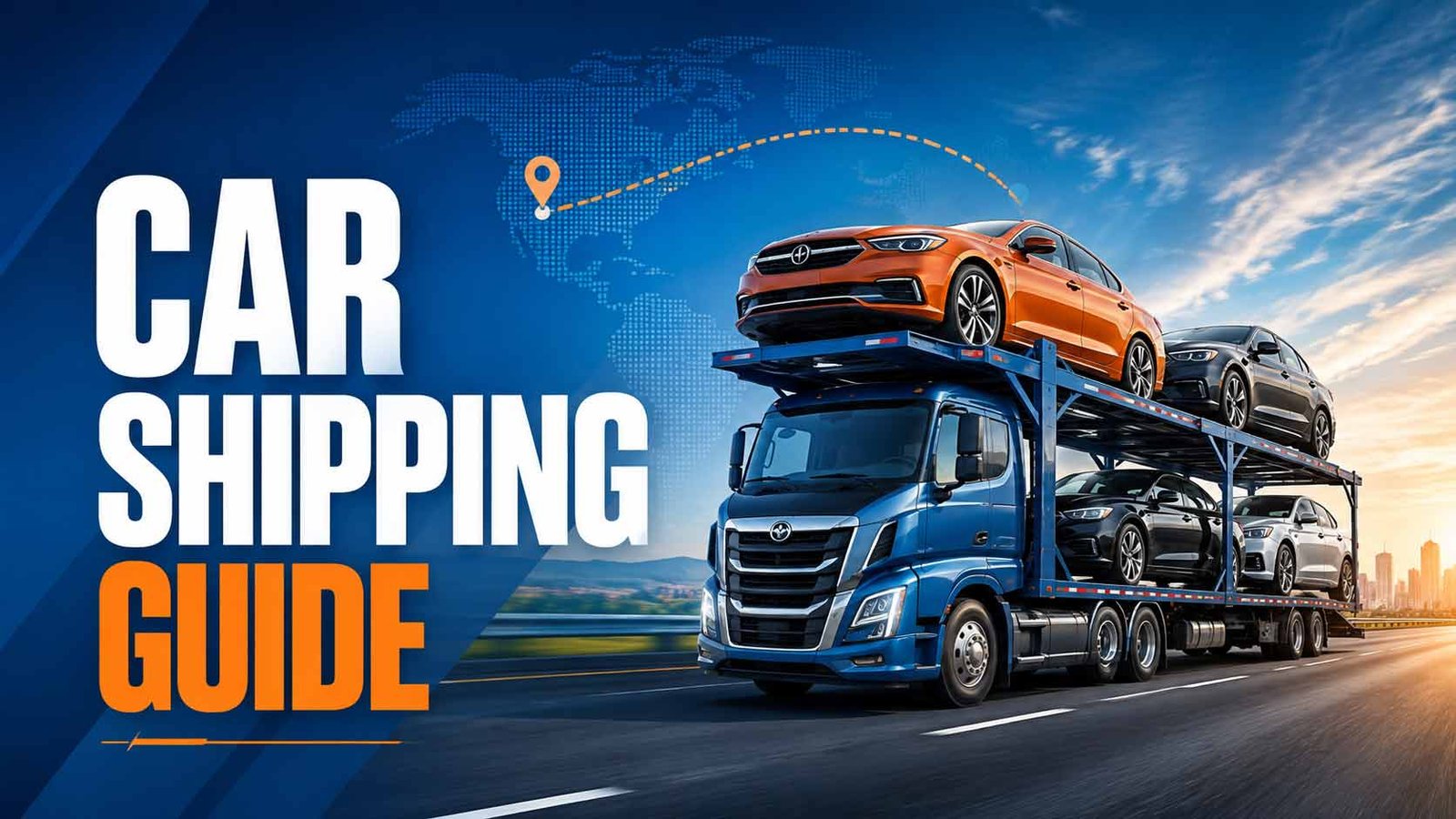
For longer distances, shipping the vehicle is almost always the more practical option. A licensed, insured auto transport provider picks up your vehicle directly from the dealership or seller and delivers it to your home, without the wear, time, or logistics of driving it yourself. Getting a shipping quote early — ideally before you finalize your purchase — lets you build that cost into your overall savings calculation, so the deal you’re comparing across states is a true apples-to-apples number.
Frequently Asked Questions
What is the cheapest state to buy a car in?
Oregon and New Hampshire are consistently among the cheapest states to buy a car thanks to having no statewide sales tax, though Oklahoma often edges ahead specifically on lower dealer markups.
Can I avoid sales tax entirely by buying a car in another state?
Generally no — most states will still charge their own sales or use tax when you register the vehicle at home, though reciprocity agreements between certain states can prevent you from being taxed twice.
Is it legal to buy a car out of state?
Yes, it’s completely legal. You may need to handle some additional paperwork if your home state has different emissions, inspection, or equipment requirements than the state you bought the car in.
Is financing harder for an out-of-state car purchase?
It can involve a few extra steps, particularly around registration and any state-specific requirements, but it’s a well-established process and most lenders are familiar with handling it.
Does buying out of state affect my factory warranty?
No — factory and CPO warranties apply nationwide, regardless of which state you purchased the vehicle in.
How do I get my car home after buying it out of state?
For shorter distances, some buyers drive the car home themselves. For longer distances, shipping with a licensed auto transport provider is typically the more practical and cost-effective option, especially once you factor in time, fuel, and added mileage from a long drive.
The cheapest state to buy a car isn’t decided by a single number — it’s the combination of sales tax, registration fees, dealer markups, and inventory selection that determines your true savings. States like Oregon, New Hampshire, Delaware, Montana, and Oklahoma consistently come out ahead, while high-tax states like California and New York tend to cost buyers more.
Once you’ve found the right deal, don’t let getting the vehicle home eat into your savings. Prime Auto Movers LLC is an FMCSA-authorized, fully insured car shipping company that can get your new vehicle delivered safely, whether you’re moving it across one state line or all the way across the country. Get a free instant quote today and see exactly how much you can save by buying smarter, not just closer to home.
